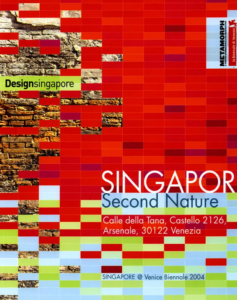
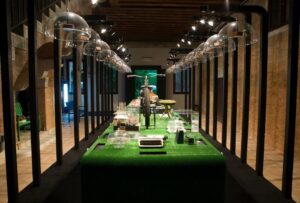
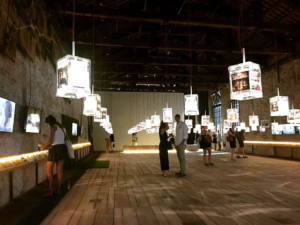
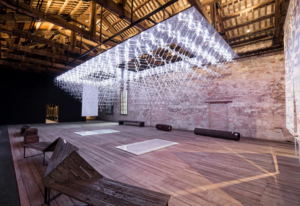
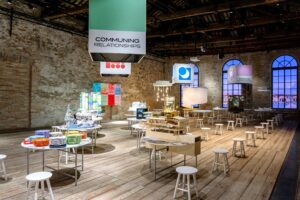
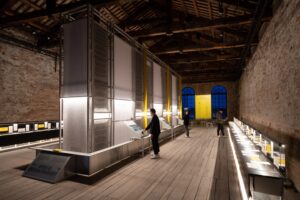
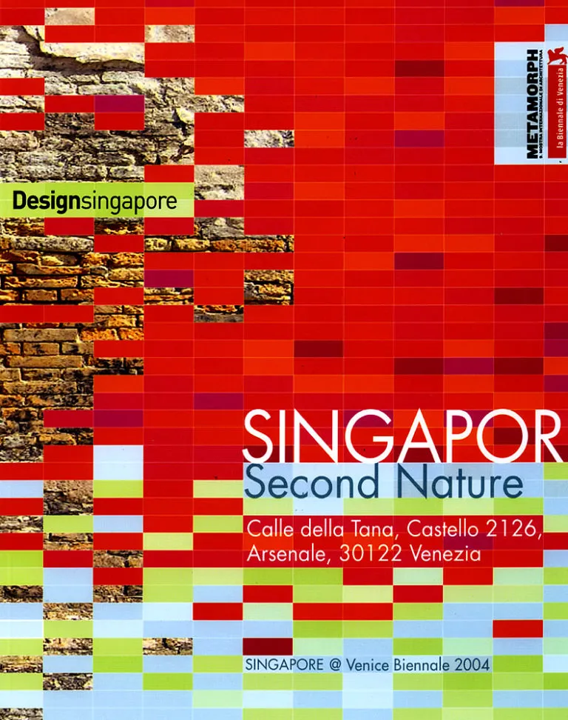
Singapore’s first presentation at the Venice Architecture Biennale introduced the city through the idea of “Second Nature,” foregrounding the relationship between architecture, landscape and the tropical urban condition. The edition positioned Singapore not simply as a built city, but as an evolving environment shaped by design, ecology and everyday life.
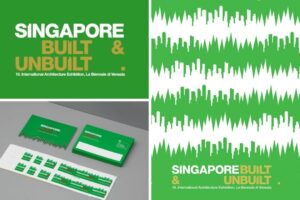 “Singapore Built and Unbuilt” examined the city through both realised projects and speculative possibilities. The edition presented architecture as a field of ambition and projection, showing how competitions, proposals and urban visions contribute to Singapore’s built imagination even when they remain unbuilt.
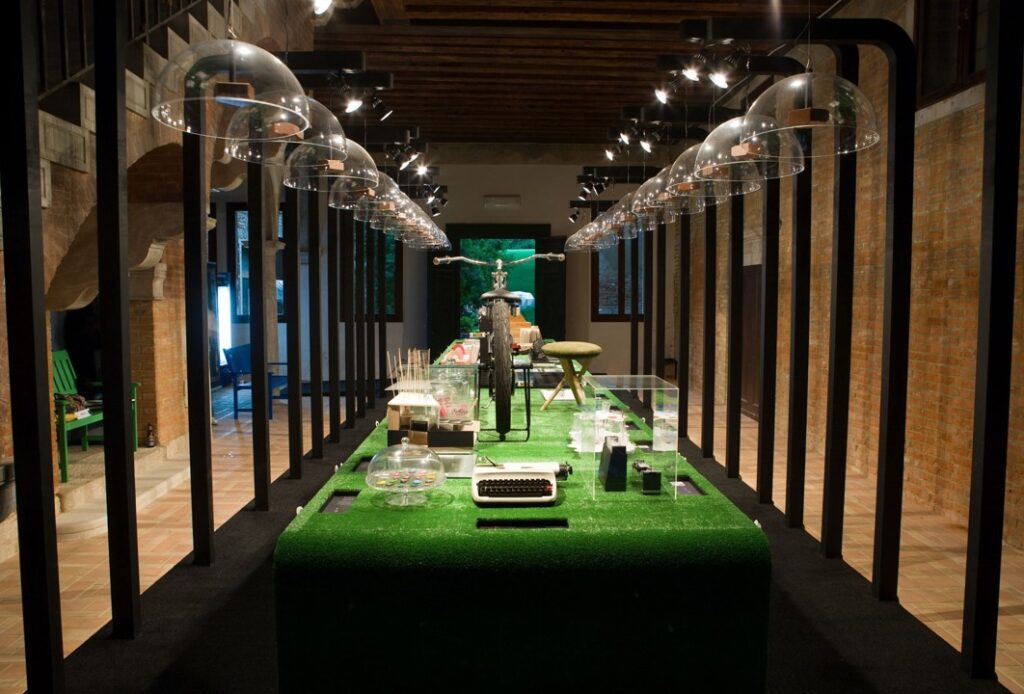
“SUPERGARDEN” presented Singapore’s design culture as a cultivated landscape of conversations, objects and cross-disciplinary practices. Bringing together architecture, art, design and urban thinking, the edition reflected a young and evolving creative scene working across scales and formats.
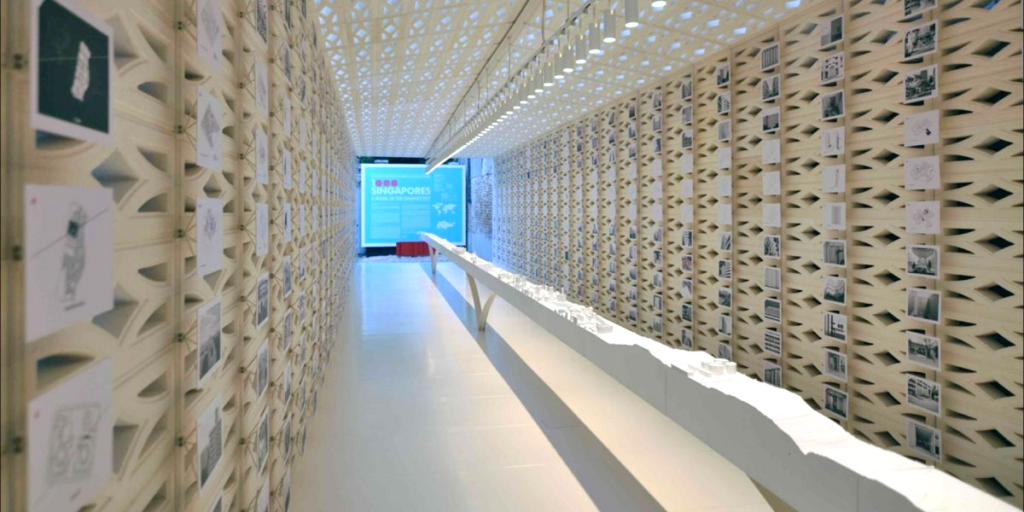
“1000 Singapores: A Model of the Compact City” explored Singapore as an urban model of density, efficiency and liveability. Through the logic of the compact city, the edition asked how planning, housing, infrastructure and social organisation might offer lessons for an increasingly urbanised world.
“Space to Imagine, Room for Everyone” shifted attention from iconic buildings to the lived spaces of the city. Focusing on homes, public housing, ground-up actions and everyday forms of participation, the edition highlighted how people adapt, claim and humanise Singapore’s built environment.
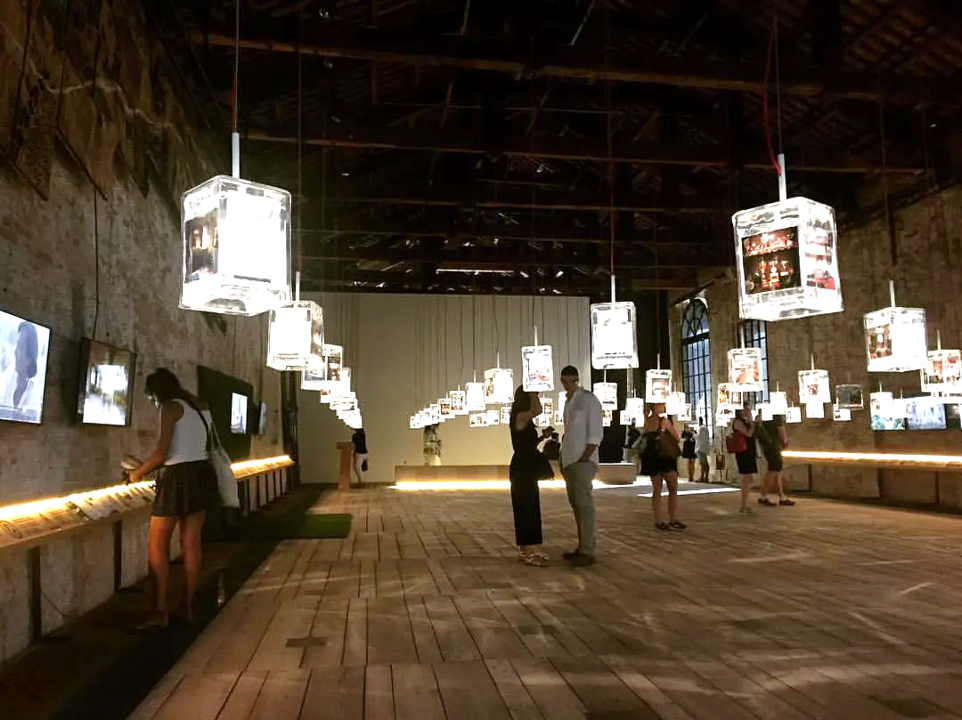
“No More Free Space?” responded to Singapore’s spatial constraints by asking how limitation can become a source of creativity. The edition gathered projects that transformed dense urban conditions into opportunities for generosity, openness and shared civic life.
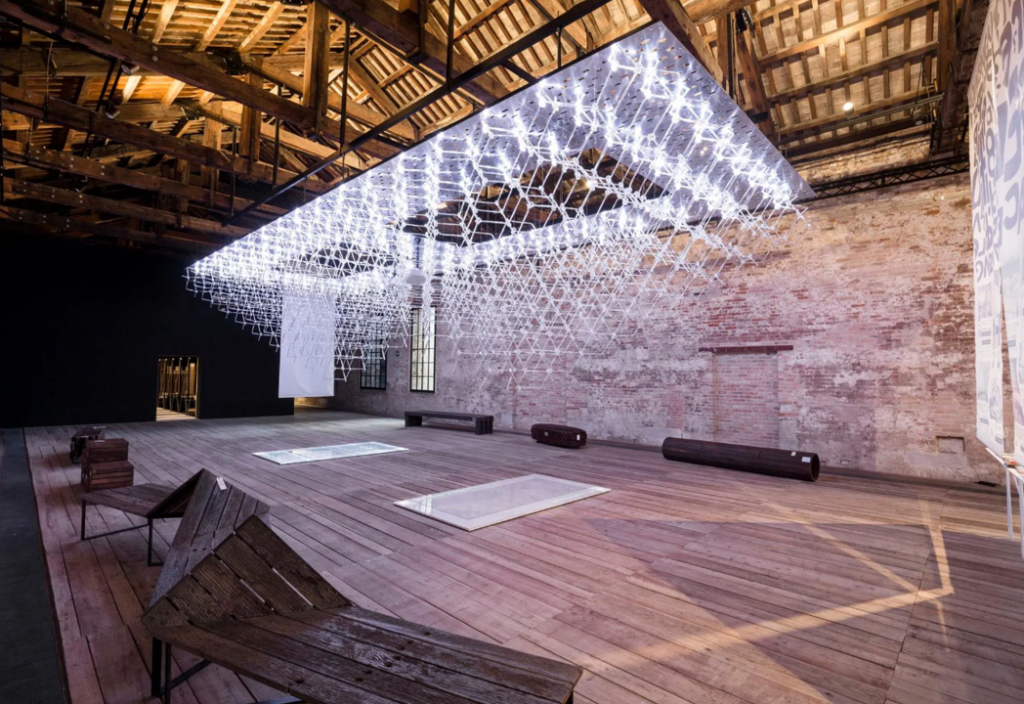
“to gather: The Architecture of Relationships” examined the social life of shared spaces in Singapore. Through projects centred on communities, neighbourhoods, hawker centres, void decks and public life, the edition explored how architecture supports relationships between people, place and nature.
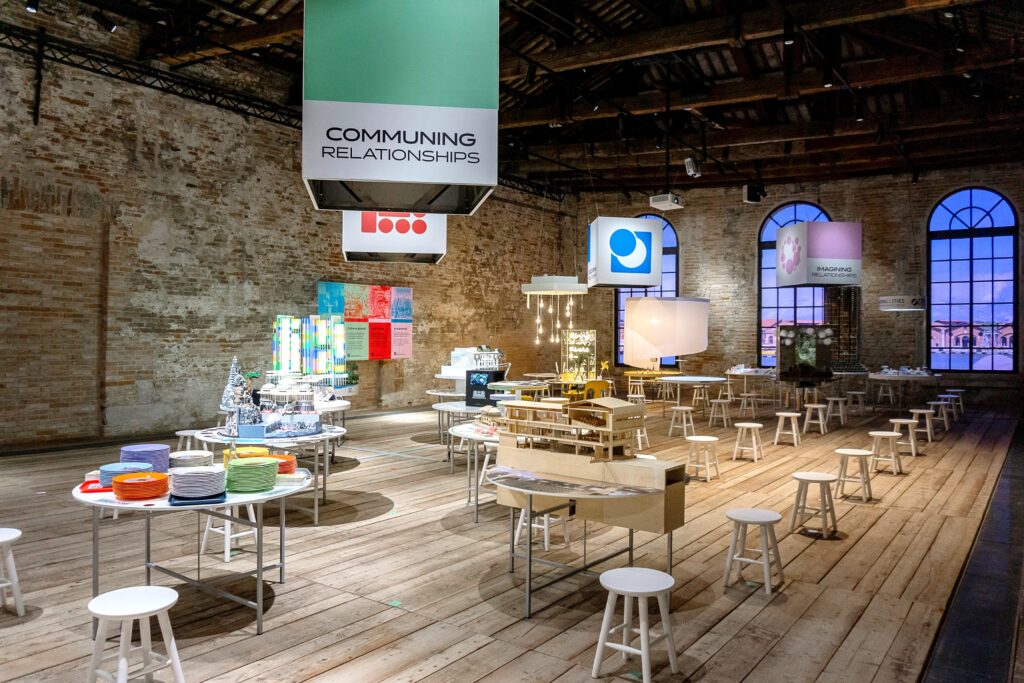
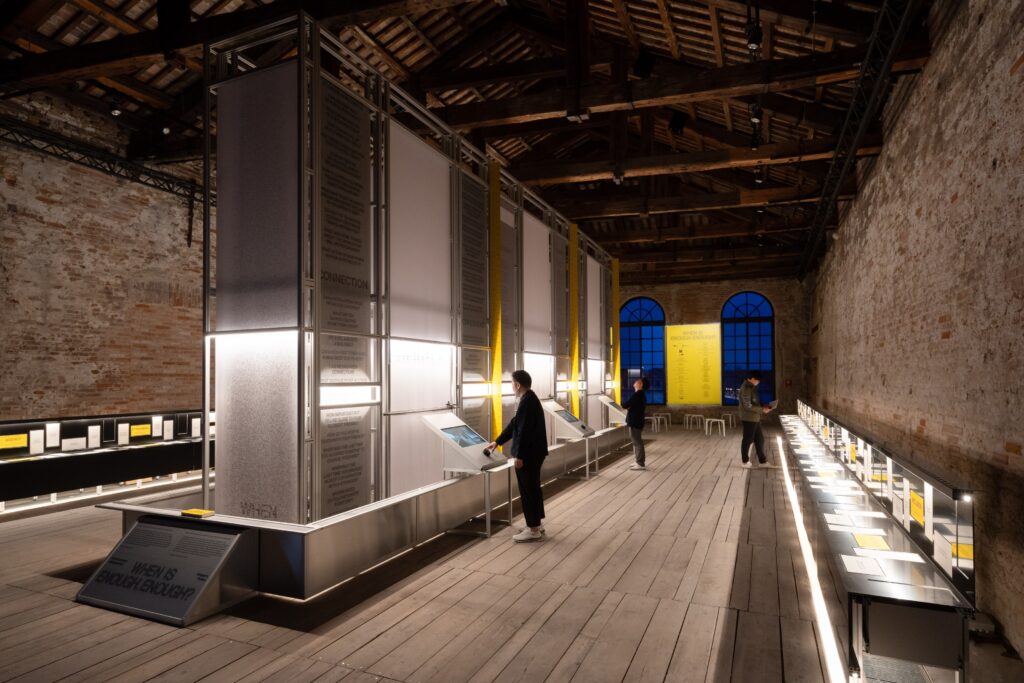
“WHEN IS ENOUGH, ENOUGH? The Performance of Measurement” questioned how cities measure what matters. Looking beyond quantifiable standards, the edition considered values such as agency, attachment, attraction, connection, freedom and inclusion as essential dimensions of a more lovable city.